
If you think British and luxury sports cars, there’s a big chance you’ll think of Aston Martin. Stylish, luxurious and Bond Approved. The flagship of the British carmaker has always been a GT car with a V12. Today we’re taking a look at the latest three iterations of the Aston Martin Super GT.
It all started when a friend of mine asked if I could take care of his Aston Martin DBS when he was out of town. A phenomenal driving experience. This generation of DBS came out in 2007, though the design wouldn’t make you suspect so. That gave me an idea. Although the DBS might not look old, since its introduction Aston Martin introduced a successor, and then a successor to that. So, if you have a day off and two friends around, why not compare them all?
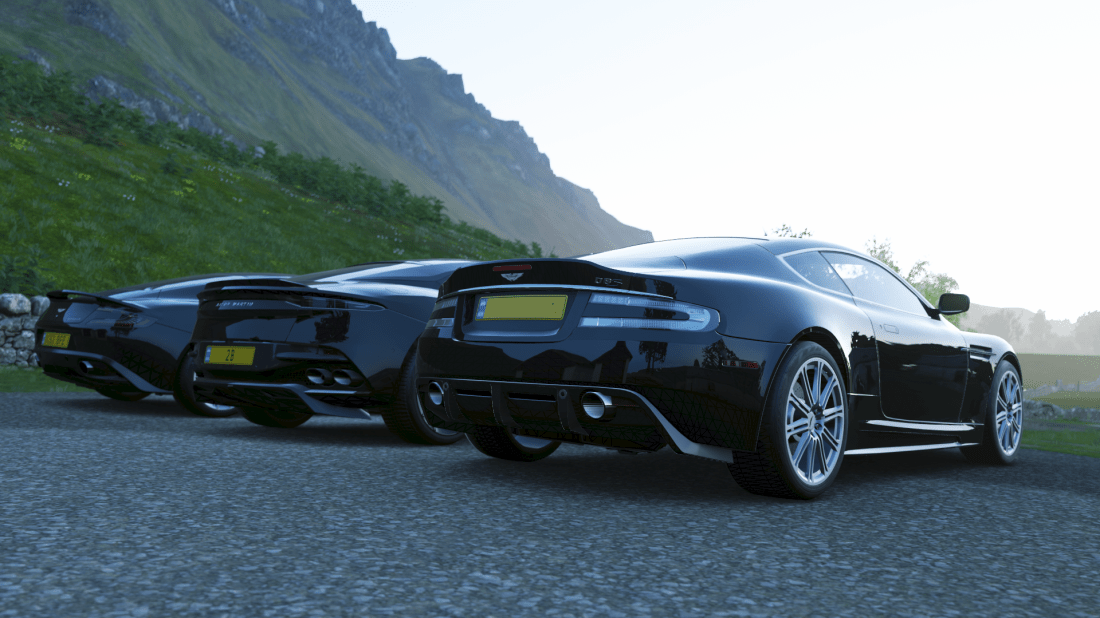
2007: Aston Martin DBS
This is certainly not the first time Aston Martin has made a ‘top of the line’ GT car. It is however one of the more modern approaches to the concept. The DBS is obviously a variant of the DB9, which was introduced in 2003. That’s the car you want to get when you want a car to be sporty by nature, but luxury in essence. The DBS throws a part of that luxury away to gain a tonne of hardcore sportiness.
The sportiness in numbers is pretty good for its timeline. The DBS’ 5.9 liter V12 produces 510 horsepower. The power is sent to the rear wheels and shifting is done by either a 6-speed ZF automatic single clutch ‘Touchtronic’ transmission, or the one you want and the example in this review has: a 6-speed manual. With a kerb weight of just under 1.700 kg it’s not a small unit, but it could be worse.
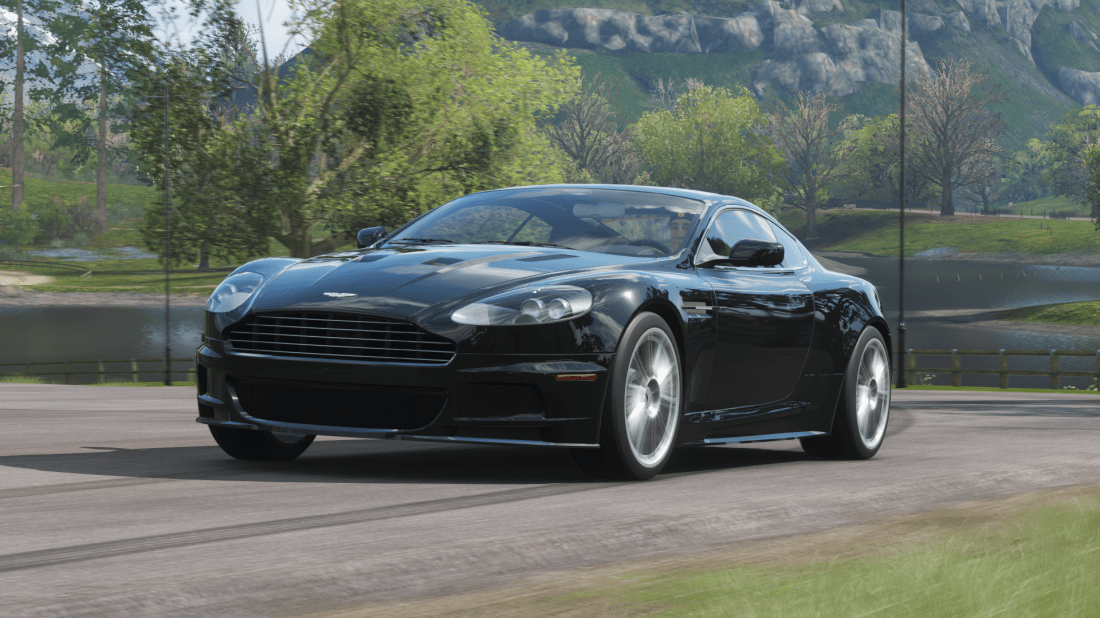
Driving the DBS translates into exactly what you expected. Controlled, balanced and yet never too much. Yes, 500+ horsepower was actually a decent figure in its timeline, but due to early day computer gimmickery, the DBS doesn’t feel dangerously uncontrollable. And although current days double clutch transmissions are definitely not bad, the feel of a manual gearbox is unmistakeable. Build up some revs, make the V12 scream in high pitched nature and use a smooth and nice to feel gearstick fly into the right place. Then do it all over again.
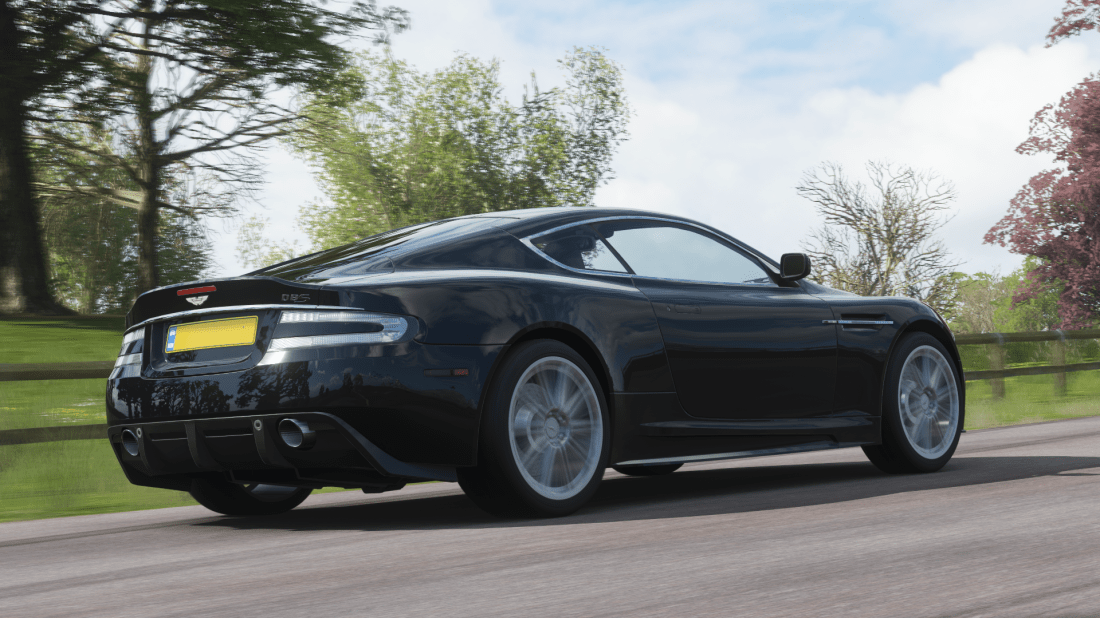
Something that isn’t necessarily a bad thing, but for the next bit important, is the interior. This is not where the DBS takes the cake. In terms of looks and modern features it’s alright. Everything looks and feels like you would expect from such a car. It’s mainly the fact that Aston Martin has borrowed a fair bit of its technology from Ford and Volvo, back when they were working together with them. Especially the not very responsive satnav system and general infotainment tech in this car wasn’t the best of its kind in 2007, and is now just too outdated. As if Aston Martin wanted to give out the signal that not the satnav decides where you’re going: the roads do. But as I said, let’s leave this for later. Because it could be worse.
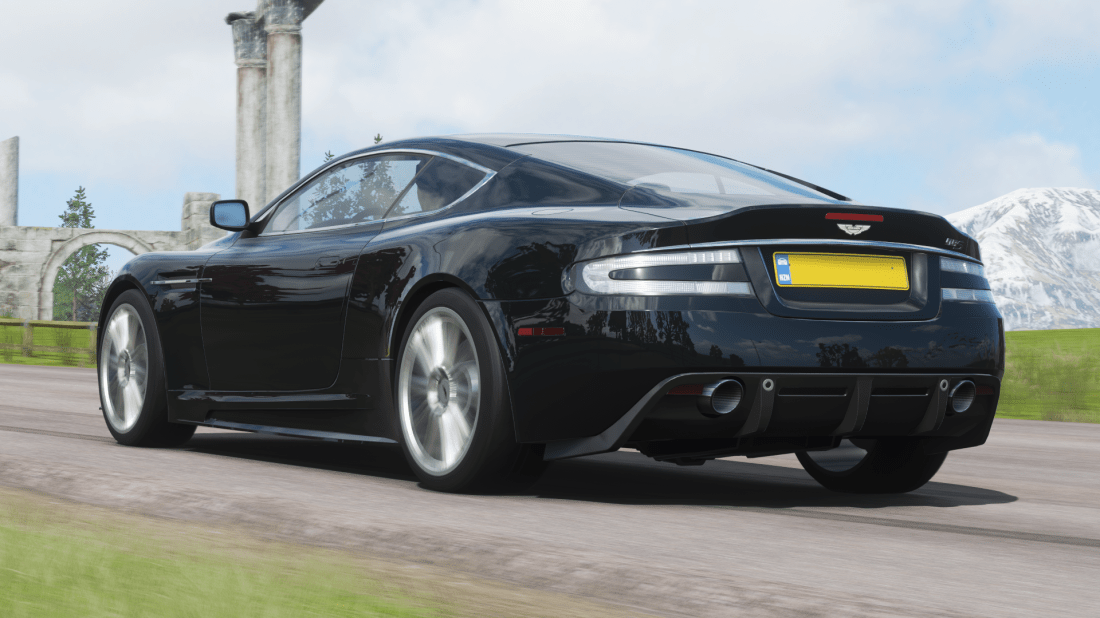
Something that is obviously sensitive to one’s taste is the styling. The iconic styling from the DB9 has been transfered over to the DBS. But thanks to new wheels and a more beefy bodykit the DBS looks even more timeless. The taillights are transparent white: something no other manufacturer pulls off without looking cheap. The DBS actually pulls them off really well. The car is definitely styled to be beefy and muscular, but doesn’t shout that out in major fashion. A very well balanced design and it’s honestly hard to believe this design originates from almost 20 years ago.
Overall the DBS proves to be a special one. It’s the last Aston Martin Super GT with a manual gearbox. It’s a stylish thing, it’s pure, it’s driver focused. It’s exactly what you want from this type of car, and not an inch more.
2012: Aston Martin Vanquish
The DBS stood in production until 2012. Then it got replaced by an all new model, which they called Vanquish. We’ve seen this name on the DBS’ predecessor, the original V12 Vanquish from 1999.
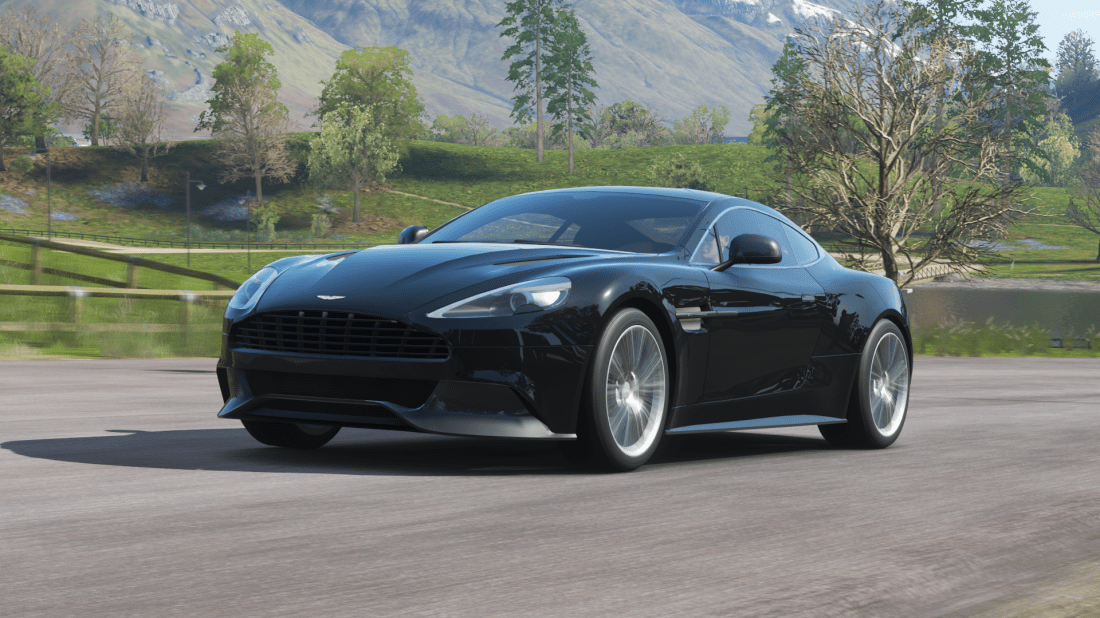
When we say all-new car, there’s a catch. When comparing the DBS and the Vanquish, you immediatly notice the styling being very similar. The Vanquish has a slightly more evolved style, which looks a bit beefier than the DBS. It’s not a bad thing, but it makes for a slightly less contemporary design than the DBS.
The similarities don’t end there. Therefore the interior is probably the biggest drawback of the Vanquish. Remember when I said it wasn’t the top of its class in 2007? In 2012 it was almost laughably outdated. And remember: the Vanquish was produced until 2018! The biggest drawback in this case is the screen, which is close to identical. Now, obviously they haven’t left it completely alike compared to the DBS, with some updated technology to keep up with its rivals. The interior styling is almost indentical, but that’s not necessarily bad. It means every DBS driver will feel right at home in the Vanquish, with the iconic Aston Martin details still in place. The updated buttons feel slightly nicer and more upscale to touch, with the buttons for the gear selector right in the middle, next to the key. This is also where you’d put the key in the DBS: right in the middle of the dashboard.
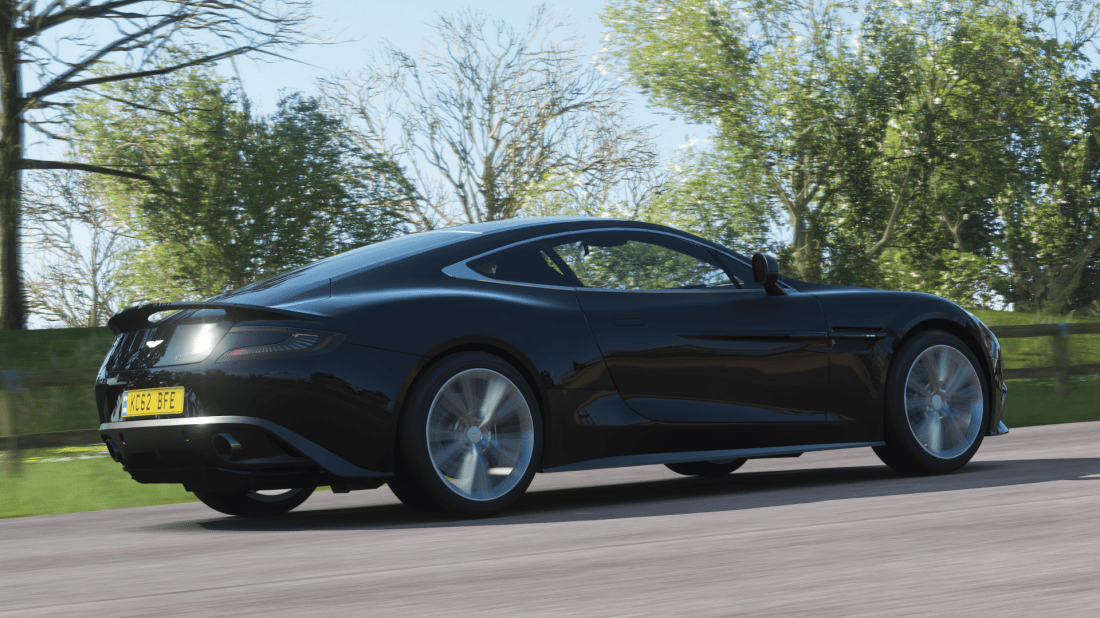
At this point, you might think that the Vanquish is in general a facelifted DBS. The engine proves otherwise. Yes, it’s the same 5.9 liter naturally aspirated V12, but this time it produces 573 horsepower without gaining a huge amount of weight. With the rear wheel drive nature it’s a bigger powerhouse than the DBS. It loses a slight bit of feel because of the gearbox: the manual was dropped and your only option was that single clutch 6-speed automatic. Not a bad box, but one that is showing its age. It’s not direct compared to a twin-clutch equivalent. But it’s good enough and Aston made it work. However, the option to have a manual gearbox would be something special.
The overall driving experience of the Vanquish is therefore predictable and yet way different than its predecessor. There’s not a single doubt in the big power gain: instantly it feels like a more powerful car. The gearbox has its small flaws but overall mates to the engine quite well. The engine itself is the masterpiece you expect it to be. A beautiful rumble that screams high level engineering. The car is grippy for a rear wheel drive GT, but at times you can feel the weight it has to take with itself.
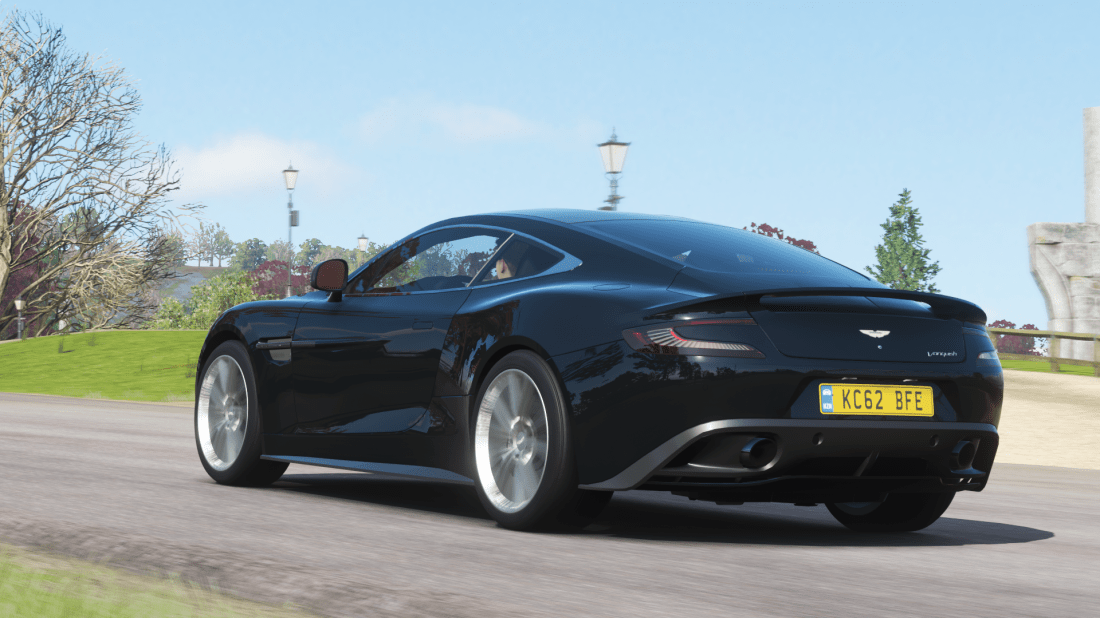
Is it good enough to call it better than the DBS? This one, probably not. The DBS is more driver focused, but at the same time more discrete. The Vanquish is faster and feels more powerful, but also slightly more predictable and less controllable because of the sub par gearbox. However, an update in 2014 delivered the Vanquish with an 8-speed ZF gearbox, which allegedly improved the car bigtime. The Vanquish lasted a year longer than the DBS, with a special ‘goodbye’ model in the shape of the Vanquish S in 2017. A last era of the Vanquish, gaining a bit more power for its last two model years. Then it’s time for the Vanquish to say goodbye and let a new boy show the world its capabilities.
2019: Aston Martin DBS Superleggera
You can’t possibly build a car on a 16 year old fundation. That’s clue number one that the DBS Superleggera is a product of a completely new Aston Martin. A fresh start for the Super GT. Literally everything you see, touch, feel and hear has been completely redesigned.
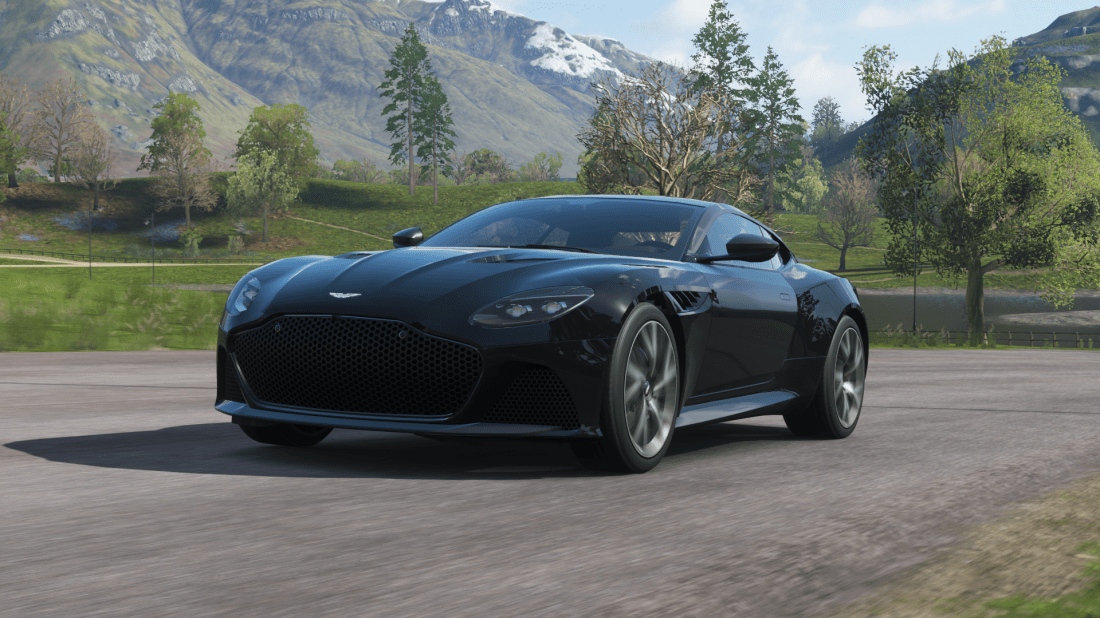
You don’t need to be an expert to realise this. It starts with the styling. Some standard Aston Martin cues have been taken over from the Vanquish and DBS, but the new design direction is definitely different. It’s more car to begin with. An optical longer bonnet, more straight down rear design and a very different set of lines make sure you know the DBS Superleggera is the next best car in the Aston Martin line-up.
The same trend continues in the interior. No more Ford parts. The new generation Aston Martin has been technologically supported by Mercedes-Benz and it shows. The infotainment, digital atmosphere and buttons feel nicer to touch and are actually good to control now. A true revelation: finally an interior that’s up to date. One tiny bit of criticism is the new instrument cluster: the two dials where the revcounter turns counterclockwise, has gone. Instead, a single digital gauge in the center is your new most important item in the cluster. Understandable, when you see the rivals. But that would’ve been a nice touch to an interior that almost has no association with the older Astons.
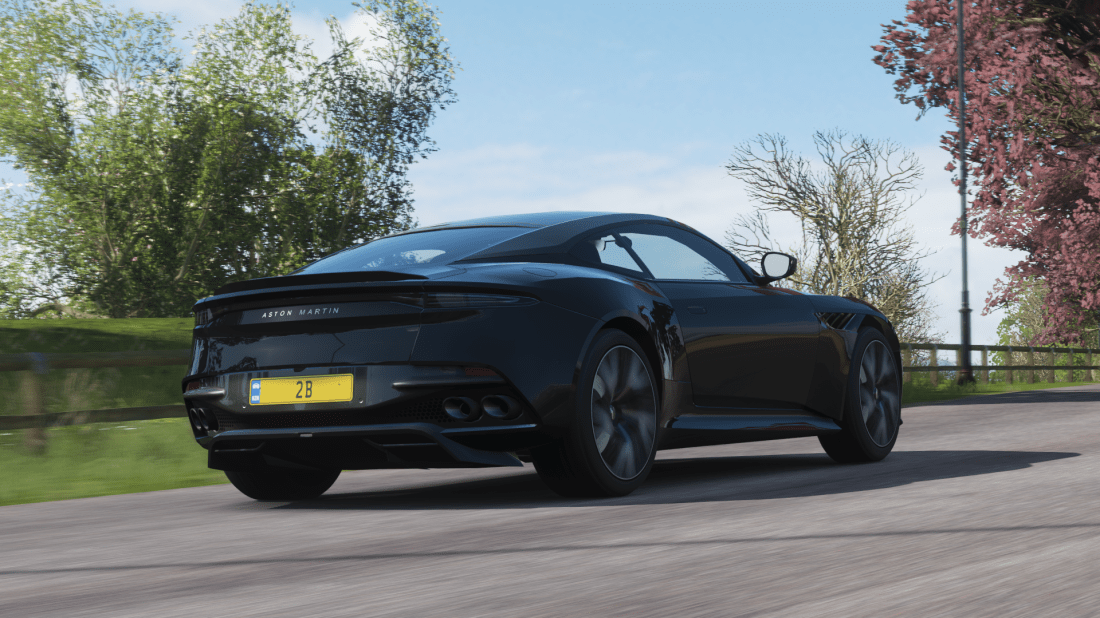
In terms of hardware it’s a whole different story. The engine is a completely new unit: smaller, but better. It’s a 5.2 liter V12, but with its Twin Turbo setup it produces 725 horsepower and 900 Nm. The latter is important. Because in theory the Superleggera already loses to one of its biggest GT rivals, the Ferrari 812 Superfast. But the Superleggera focuses on its power delivery at lower revs and that’s why the torque number is higher. The cars are closer to eachother than you might expect.
The 725 horsepower is a giant step-up from the Vanquish with 573 horsepower. It proves that turbo’s might actually be the way to go. The car proves this claim: it’s the powerhouse of the three cars in this test. Every dab on the gas pedal gives a huge boost. But again, it’s not a scary uncontrollable muscle car. It’s slightly more sophisticated and therefore easier to control. The gearbox is a very similar 8-speed ZF box, again no manual option. Again, it fits the engine well and does exactly what you expect from it.
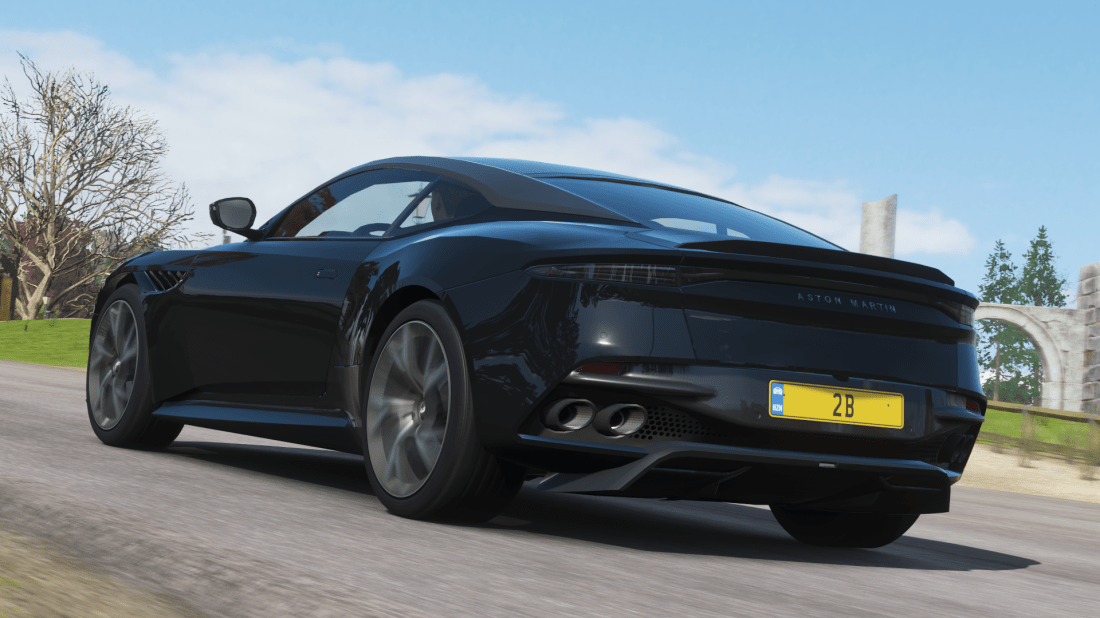
The Superleggera is without doubt modern and very cutting edge, hence suited for this time period. It’s not the most pure ‘Aston Martin’ feel, but it has all the ingredients to call it a revolution. It definitely has enough Aston Martin DNA to be a Gaydon product.
Conclusion
The Super GT segment is maybe the quintessential Aston Martin experience. The brand knows like no other how to build a luxury sportscar with British flair. The revolution that the DBS caused in 2007 has maybe been a bit too succesful. So succesful that the Vanquish, in essence a very, very good car, feels mediocre and worse in its timespan. However, Aston Martin proves they know how to revolutionize a concept and did it again with the brand new DBS Superleggera. A modern car and a very much less driver focused car than the 2007 DBS, but it has the power and modern feel to make up for the majority of missing feeling the original DBS offers. When looked at seperatly, the exact inbetween of the two is the Vanquish, which has key features and strong points to be a nice stepping stone between two revolutions.

Thanks to George, Richard, Liam, Aston Martin UK and the Thinan family for providing the cars and camera equipment, which made this special possible!
 Nav's Car Corner